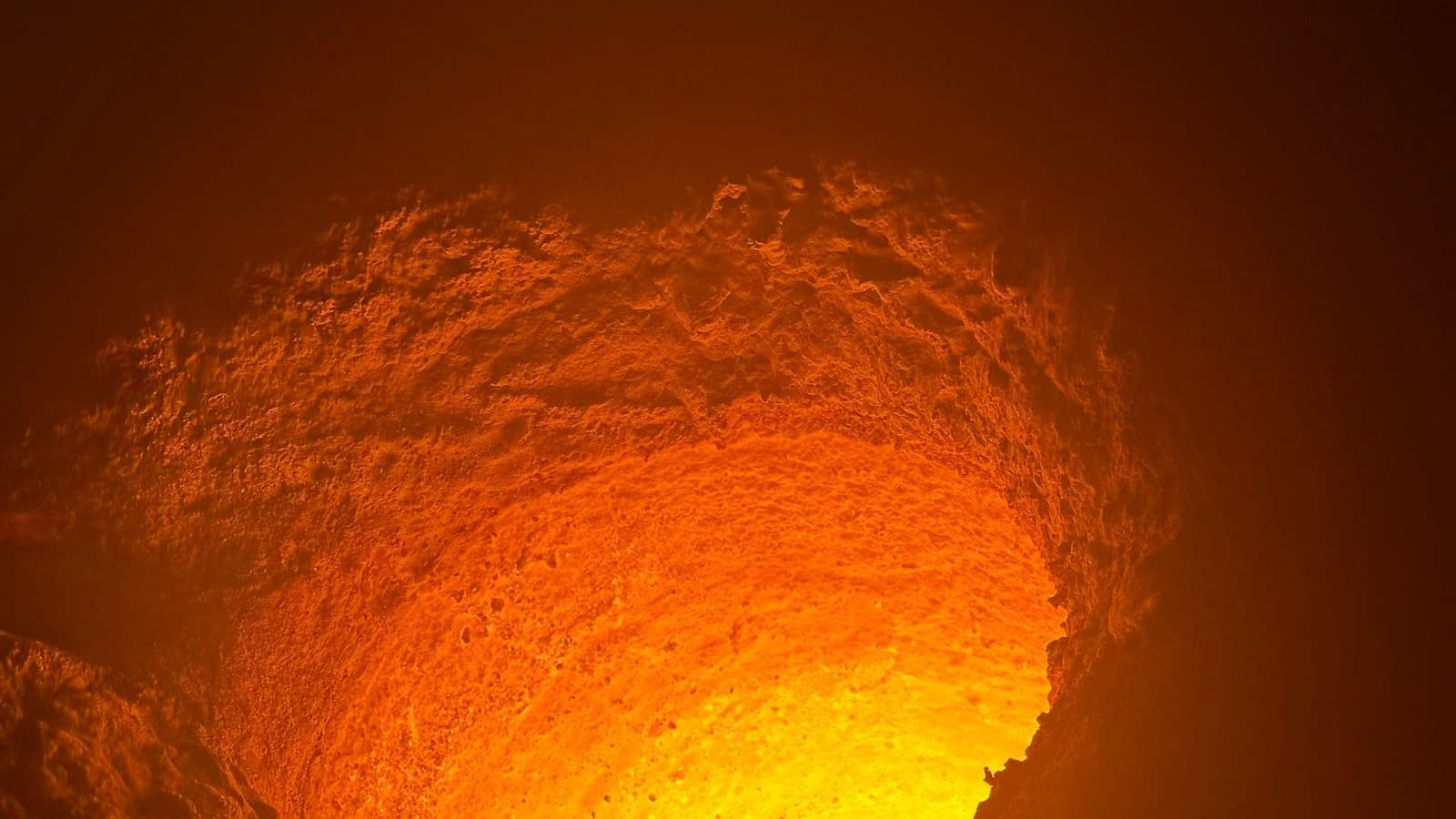
Neutral Ramming Mass (NRM) is emerging as a superior alternative to traditional Silica Ramming Mass in modern steelmaking operations. DFP India presents nine key advantages:
1. Chemical Compatibility
Neutral Ramming Mass is chemically neutral, which means it does not react with acidic or basic slags. This compatibility extends to all scrap types, preventing accelerated lining deterioration.
2. Improved Efficiency
Plants can optimize furnace lining thickness, enhancing volume and energy transfer performance — a capability unavailable with silica-based products.
3. Extended Furnace Availability
Fewer sintering cycles and longer operational campaigns directly increase productivity and reduce unexpected shutdowns.
4. Cost Reduction
Extended lining lifespan combined with improved thermal efficiency generates substantial operational savings on energy, maintenance, and material consumption.
5. Temperature Resilience
Superior heat resistance supports production of low-carbon steels requiring elevated pouring temperatures, enhancing operational safety.
6. Supply Chain Simplification
Longer-lasting materials reduce shipping frequency and inventory complexity.
7. Labor Efficiency
NRM reduces patching frequency by up to 60%, lowering workforce demands and accelerating relining procedures.
8. Environmental Benefits
Decreased waste generation and better energy distribution improve facility sustainability metrics.
9. High-DRI Capability
The material tolerates up to 90% sponge iron in charge mixes, minimizing inclusions and improving final product consistency.
The bottom line
The transition represents a comprehensive operational upgrade addressing cost, efficiency, safety, and product quality simultaneously. DFP India's Lukorma neutral ramming mass brings this to Indian induction furnaces as the country's first Alumina Spinel NRM.