Doriflow
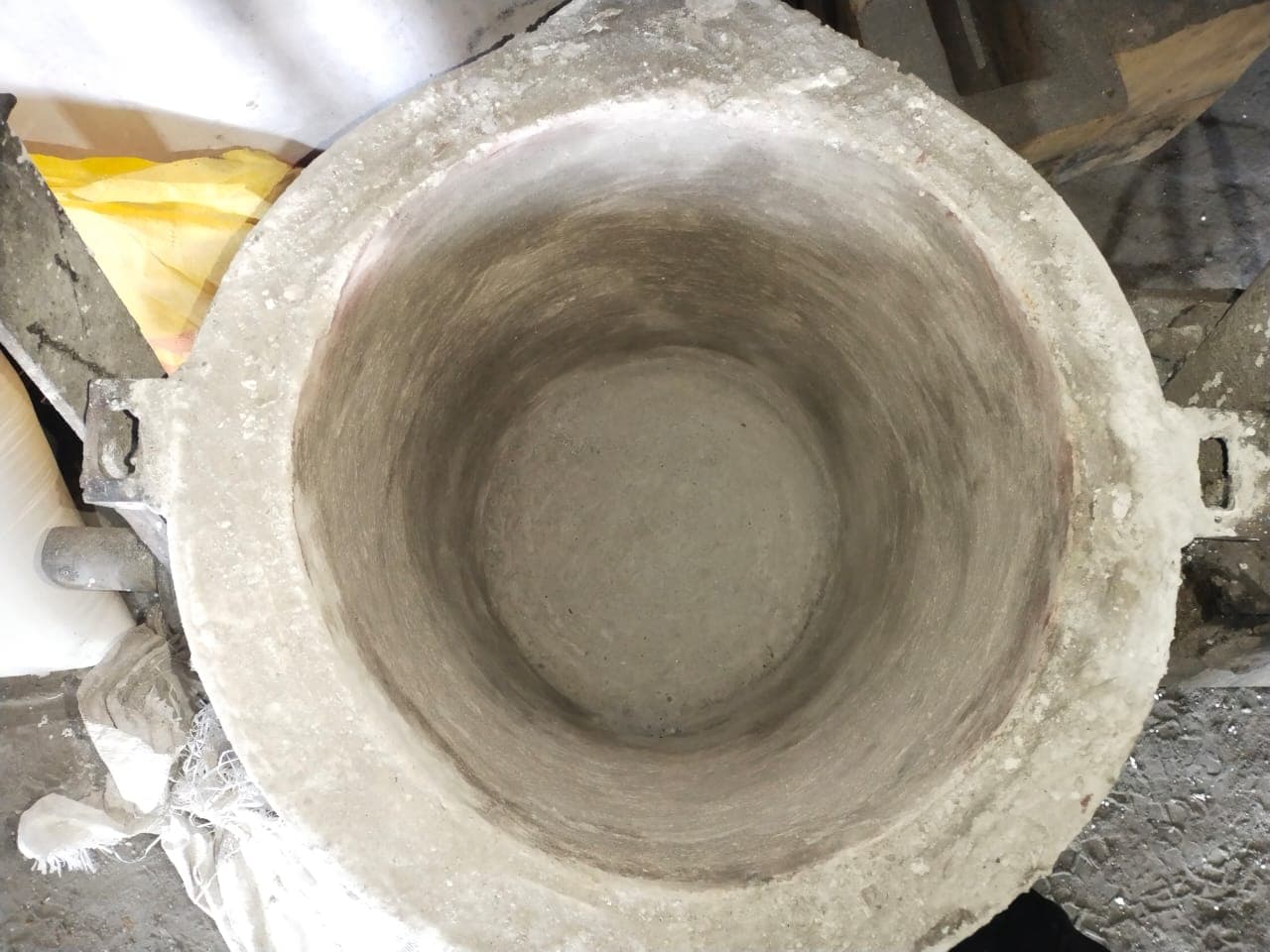
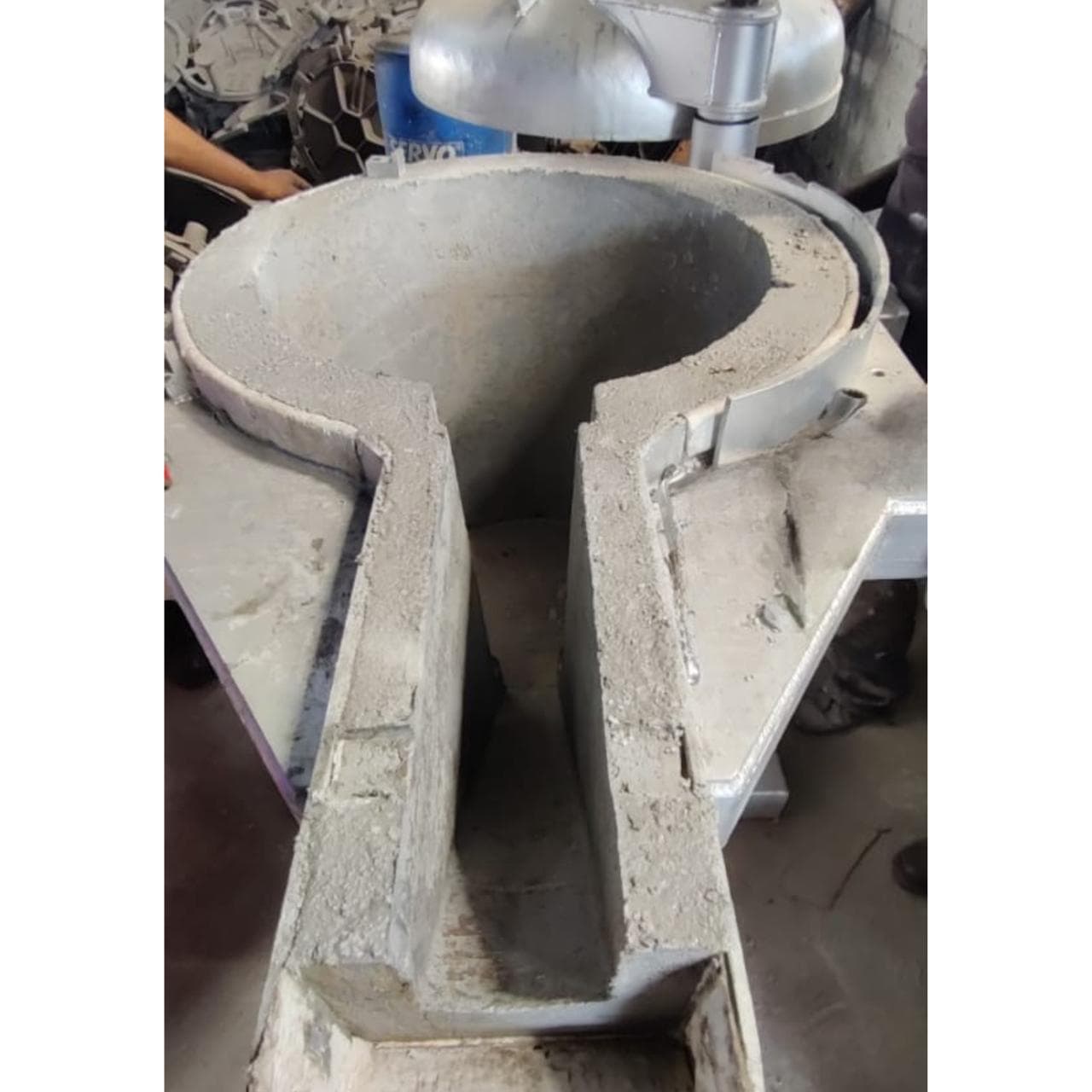
Ladle Lining Material
Low-cement, ultra-low-cement and no-cement castables for inclusion-free castings.
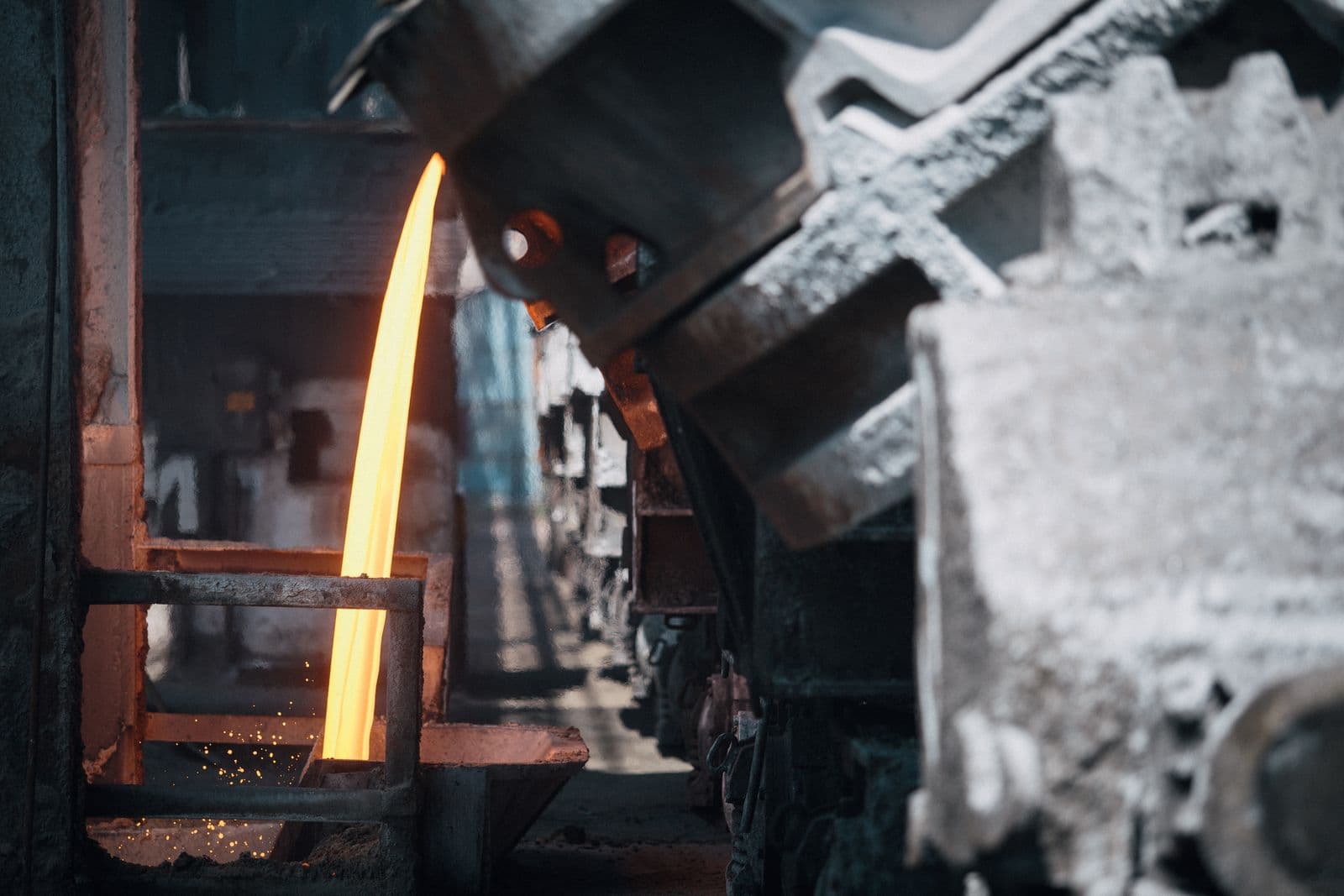
DFP India's Doriflow castables keep castings clean and ladles running longer.
- High-cement local castables carry more lime, which reacts with the melt and leaves inclusions in the casting.
- Doriflow's low-, ultra-low- and no-cement grades carry far less lime — so the melt stays clean and castings come out inclusion-free.
- A 1–3 T iron ladle lined with DoriFlow LC 1650 runs 9–12 months between relines; Doridur RC 1651 and DF Patch 1651 repair compounds last 5× a generic local castable.
Product range
- Doriflow ULC 1801 SPUltra-low-cement self-flowing castable
- DoriVib NC 1690 SolNo-cement, sol-bonded castable
- DF Patch 1651Patching / repair compound
- DF Heat LC 90Low-cement castable
- DoriFlow LC 1650 / DF Flow LC 1650Low-cement castable
Performance & consumption data
1–3 T · Iron (DoriFlow LC 1650)
9–12 months
Ladle life
2 former + minor
Repairs
1–10 T · Carbon Steel (Doriflow ULC 1801 SP)
6 months
Ladle life
2 former patchings
Repairs
Above 15 T ladles (DoriFlow LC 1650 / ULC 1801 SP)
1 lining + 5–6 relinings
Campaign
Relining former
Technique
Case in point
Eliminating metal inclusions and extending ladle life in CI, SGI & steel foundries
A 1–3 ton iron-foundry ladle lined with DoriFlow LC 1650 runs 9–12 months between full relines, needing only two former repairs and minor touch-ups in that window, with no metal inclusions traced to the lining.
Competitive edge vs. generic / local
- Doridur RC 1651 and DF Patch 1651 are DFP India's ladle repair compounds — Both products are rated at 5× the life of generic local repair castable — so fewer repair cycles mean less ladle downtime per casting shift.
- Ultra-low-cement formulation in the ULC 1801 SP reduces the calcium-aluminate content that typically drives inclusion formation in cheaper, higher-cement local mixes.
- Consistent former-repair intervals (every ~3–6 months) make maintenance scheduling predictable — local castables with variable batch quality often fail unpredictably between scheduled repairs.
What changes when you switch
| Aspect | Generic local ladle castable | DFP India's Castable |
|---|---|---|
| Repair compound life | Baseline | Doridur RC 1651 rated 5× the life of local repair castable |
| Inclusions | Common with high-cement local mixes | Ultra-low-cement (ULC) formulation reduces inclusion risk |
| Reline interval (1–3 ton iron) | Typically shorter, less predictable | 9–12 months with just 2 former repairs |
| Slag sticking | Slag tends to stick to the lining surface | Less slag sticking than other suppliers' castables — easier deslagging |
Frequently asked questions
How long does a ladle lining last with Doriflow?
9–12 months for a 1-3 ton iron ladle (DoriFlow LC 1650); 6 months with 2 former patchings for a 1-10 ton carbon steel ladle (ULC 1801 SP).
Does ladle castable affect casting quality?
A low/ultra-low-cement formulation reduces the calcium-aluminate content that typically drives non-metallic inclusions.
How much longer does the repair compound last?
Doridur RC 1651 is rated at 5x the life of generic local repair castable.
What causes inclusions in castings from the ladle?
High calcium-aluminate content in cheaper high-cement castables drives non-metallic inclusions; ultra-low-cement formulations reduce this.
What is the difference between low-cement and ultra-low-cement castable?
Ultra-low-cement (ULC) has even less cement, further lowering the calcium-aluminate content that drives inclusion formation, suited to carbon steel ladles.